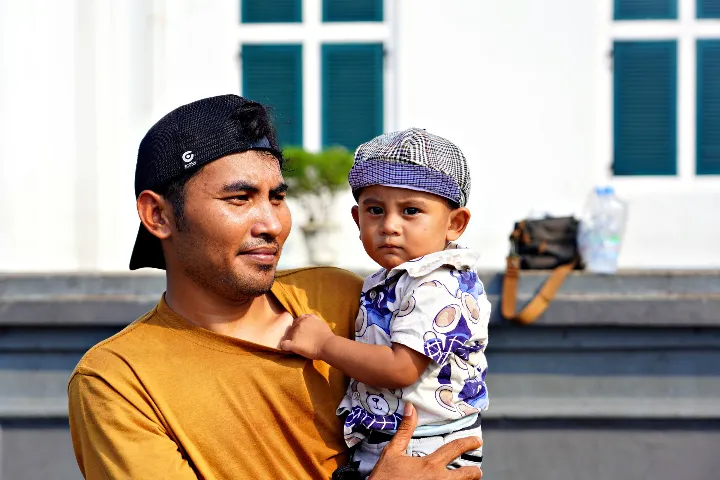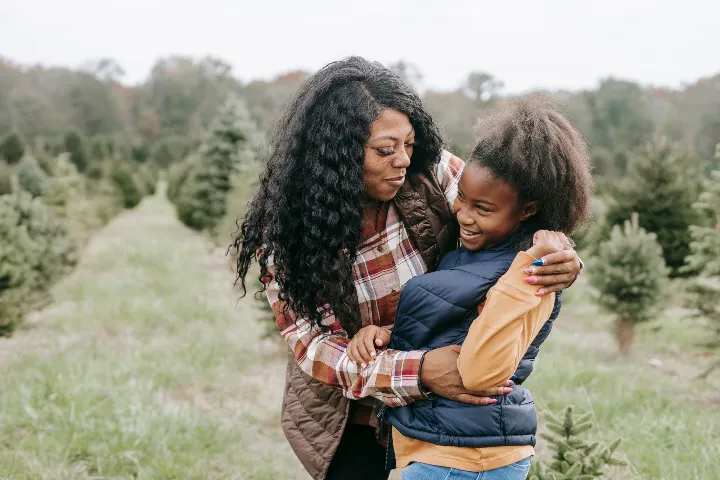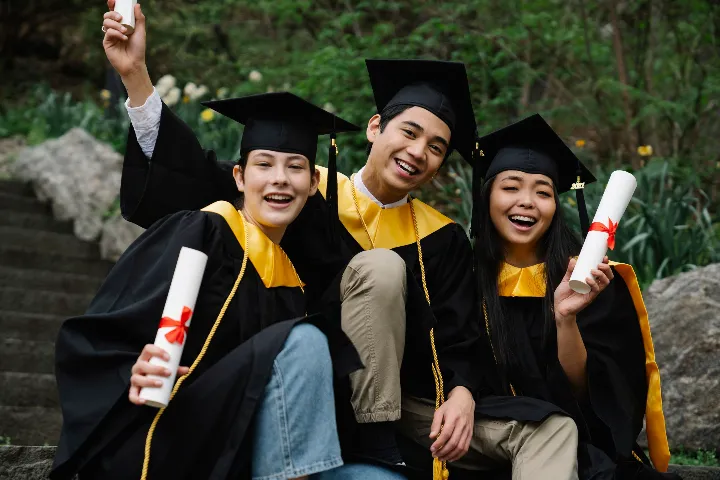
Celebrating youth and family community day is a crucial web that supports a young person's development and well-being. Here's a breakdown of how these relationships interact:
01Positive Relationships Matter
- Healthy development: Strong and supportive relationships with family, peers, and community members are essential for a young person's emotional, social, and intellectual growth.
- Resilience and coping: These connections provide a safe space for young people to express themselves, build self-esteem, and develop healthy coping mechanisms to deal with challenges.
- Positive life trajectory: Strong relationships can influence a young person's educational attainment, career choices, and overall life trajectory.
02Building Relationships
- Strengthen family bonds: Create opportunities for families to spend quality time together, fostering communication, understanding, and shared experiences.
- Promote intergenerational connections: Encourage interaction between youth and older generations, facilitating knowledge sharing and building stronger community ties.
- Reduce social isolation: Provide a welcoming space for families to connect with each other, combatting loneliness and fostering a sense of belonging.
03Family Relationships
- Parents/Guardians: The most significant influence in a young person's life. Positive and nurturing relationships with parents provide a foundation of love, security, and guidance.
- Communication and Trust: Open communication, trust, and clear boundaries are essential for healthy parent-child relationships.
- Positive Role Models: Parents set the tone for behavior and values. They act as role models for their children, shaping their understanding of the world and how to navigate relationships.
- Sibling Relationships: Siblings can be sources of companionship, support, and conflict resolution skills. However, sibling rivalry can also arise.
04Peer Relationships
- Socialization and Identity Development: Peers play a crucial role in a young person's social development and identity formation. Friendships provide opportunities to learn social skills, explore interests, and develop a sense of belonging.
- Positive Peer Pressure: Positive peer relationships can motivate young people to engage in positive activities and make healthy choices.
- Negative Peer Pressure: Negative peer pressure can influence young people to engage in risky behaviors or make poor choices.
05Community Engagement
- Increase civic engagement: Get-togethers can introduce families to local organizations, volunteer opportunities, and community events, encouraging them to become more involved.
- Promote cultural exchange: Events that celebrate diverse cultures within the community can foster appreciation and understanding between different backgrounds.
- Raise awareness about community issues: Get-togethers can be used to raise awareness about local challenges and inspire families to work together towards solutions.
06Community Relationships
- Sense of Belonging: Positive connections within the community can provide young people with a sense of belonging, acceptance, and support beyond their immediate families.
- Mentorship: Mentorship relationships with positive adult figures outside the family can offer guidance, encouragement, and role models outside the home environment.
- Community Engagement: Participation in community activities fosters social responsibility, civic engagement, and a sense of ownership over one's community.
07Challenges & Considerations
- Family Dysfunction: Abuse, neglect, or dysfunctional family dynamics can negatively impact a young person's development.
- Bullying: Bullying by peers can lead to social isolation, depression, and anxiety.
- Negative Community Influences: Exposure to violence, gangs, or substance abuse within the community can have detrimental effects.
08Promoting Positive Relationships
- Strengthening Families: Programs that provide parenting education, support groups, and family counseling can promote healthy family dynamics.
- Positive Youth Development Programs: Structured activities, after-school programs, and youth leadership programs can foster positive peer relationships and social skills development.
- Community Outreach Programs: Programs that create safe spaces, offer mentorship opportunities, and connect youth with positive community role models can counteract negative influences.
09Fun & Recreation
- Provide healthy activities for families: Events can offer opportunities for physical activity, games, and entertainment, promoting a healthy lifestyle.
- Create positive memories: Fun and engaging activities can create lasting positive memories for youth and families, strengthening their connection to the community.
- Reduce stress and promote well-being: Social interaction, recreation, and a positive atmosphere can contribute to the overall well-being of families.