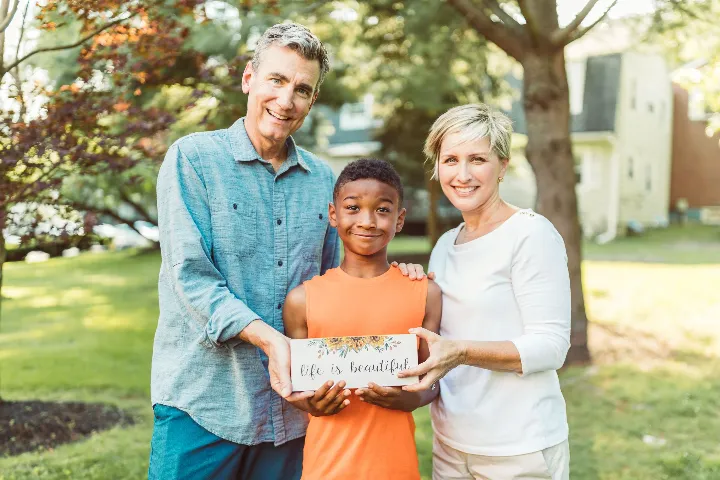
While orphanages provide a safe haven, the ideal situation is often family reunification or adoption whenever possible. Our organization plays a role in supporting these efforts as well. There are many objectives for connecting with orphan youth, aiming to address their social, emotional, and developmental needs. Here's a breakdown of some key programs and goals:
01The Orphan Youth Education
- Building Positive Relationships: Many orphans lack consistent emotional support and positive adult figures. Connections can provide a sense of security, belonging, and mentorship.
- Combatting Social Isolation: Orphans can feel isolated and alone. Connections can help them build a social network, reduce loneliness, and foster a sense of community.
- Emotional Support and Guidance: Orphaned youth often experience complex emotions due to loss. Connections with caring adults can provide a safe space to express themselves, receive emotional support, and develop healthy coping mechanisms.
- Empowerment and Self-Esteem: Positive interactions can build self-esteem and confidence, encouraging orphans to believe in themselves and their potential.
- Educational Support and Advocacy: Connections can ensure orphans have access to quality education and advocate for their educational needs. They might help with academic support, mentorship, or navigating educational resources.
- Life Skills Development: Interactions with adults can introduce orphans to new skills, hobbies, and experiences, helping them develop essential life skills for future independence.
- Exposure to Opportunities: Connections can open doors to new experiences, like extracurricular activities, career exploration, or cultural events, broadening their horizons.
- Preparation for the Future: Connections can help prepare children for transitioning out of the orphanage system by providing guidance, career exploration, or social network building.
02Ethical Considerations
- Ethical Considerations: It's important to prioritize ethical practices when connecting with orphanages. Research the orphanage's reputation and ensure your connection focuses on the children's well-being, not creating dependency.
- Focus on Well-being: The primary focus should be on the well-being of the orphan youth. Avoid creating dependency or prioritizing the needs of the organization over the children.
- Sustainable Support: Connections aiming to provide sustainable support, not a one-time fix. Building partnerships and fostering long-term relationships is crucial.
- Cultural Sensitivity: The organization is mindful of cultural backgrounds and traditions of the orphans they connect with.
- Sustainable Support: Connections should aim to provide sustainable support, not a one-time fix. Building partnerships and fostering long-term relationships is crucial.
- By keeping these objectives in mind, connections with orphan youth can have a significant positive impact on their lives, empowering them to reach their full potential.
03Overall Objectives
- Improved Well-being: The ultimate goal is to contribute to the overall well-being of orphans by addressing their physical, emotional, and educational needs.
- Promoting Positive Youth Development: Connections can play a role in fostering healthy social, emotional, and cognitive development in orphaned youth.
- Preparation for the Future: As orphans transition to adulthood, connections can help them develop the skills and support systems needed for independence, such as job training, life skills development, or navigating higher education.
- Breaking Cycles of Trauma: Many orphans experience trauma and loss. Supportive connections can help break negative cycles and promote resilience.